Ground Squirrel BMPs
  • Biology
    • Range and Habitat
    • Behavior and Diet
    • Seasonal Activity
    • Disease
  • Identification
    • Signs and Characteristics
    • Damage
    • Look-Alike Pests and Damage
    • Burrowing Non-Target Wildlife
    • Squirrel Species of Lesser Concern
  • Management
    • California ground squirrel
    • Belding's ground squirrel
  • Regulations
    • California Codes
    • Professional Licenses
    • Fumigation Plans and Posting
    • Wildlife and Endangered Species
  • Resources
  • FAQs

Management

A number of control methods are available for ground squirrel management. The effectiveness of these methods often depends on which ground squirrel you are managing, so it is important to first identify the species causing damage. ​
Picture

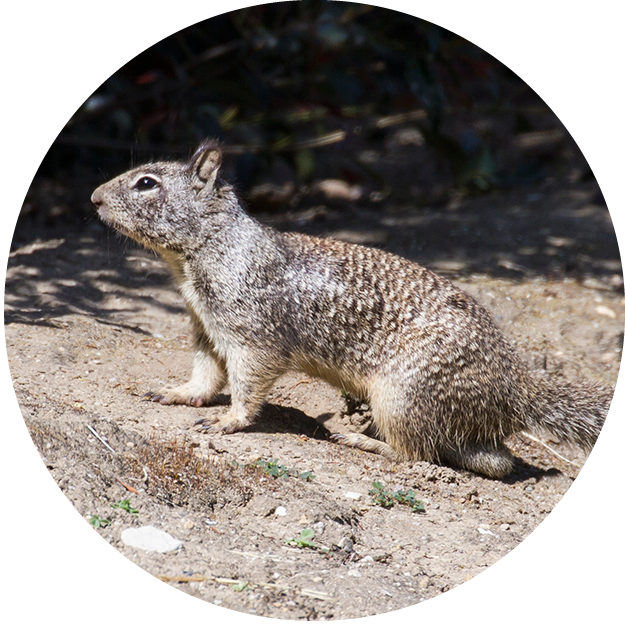
California ground squirrel

(Otospermophilus beecheyi, O. douglasii)
Common species found throughout California, in both agricultural and urban settings
Picture

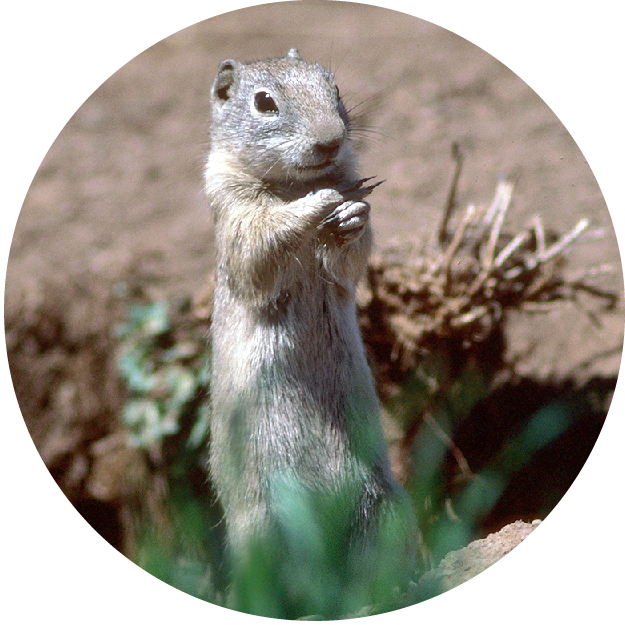
Belding's ground squirrel

(​Urocitellus beldingi)
A common species in northeastern California; in general, it is only considered a pest of agricultural areas

​How can you tell which ground squirrel is active at your site? Here are a few questions to ask:
  • Is Belding's ground squirrel in your area?
    In California, Belding’s ground squirrels only occur in the northeastern part of the state. They are also found in eastern Oregon, southwestern Idaho, and parts of north-central Nevada.
  • Are you managing an urban or agricultural site?
    Belding's ground squirrels do not usually cause damage outside of agricultural areas (e.g. field crops, rangeland, pasture). Damage in urban areas is often due to California ground squirrel. ​
  • Are the squirrels currently active?
    Have you observed squirrels foraging, or are they in hibernation? Belding's and California ground squirrels may be active at different times of the year.
  • What do the squirrels look like?
    ​
    Belding’s ground squirrels are smaller and do not have a bushy tail. Belding’s ground squirrels are brownish-gray to reddish-brown in color, and, unlike the California ground squirrel, they have no stripes, mottling, or markings of any type. Their ears are small and are not very prominent.  Compare characteristics of the two squirrels here.
Restrictions for Homeowners

Many of the materials used in ground squirrel management can only be applied by pest management professionals who are certified or licensed pesticide applicators. Homeowners without the necessary pest control license cannot use certain control methods or handle restricted materials.
About Us  |  Non-Discrimination Statement  |  Get PDF Reader
​© 2017 Regents of the University of California  |  Division of Agriculture and Natural Resources  |  UC Cooperative Extension, Orange County
www.groundsquirrelbmp.com is a UC peer-reviewed publication made possible by support from the Vertebrate Pest Control Research Advisory Committee
Updated Feb. 3, 2017
Picture
  • Biology
    • Range and Habitat
    • Behavior and Diet
    • Seasonal Activity
    • Disease
  • Identification
    • Signs and Characteristics
    • Damage
    • Look-Alike Pests and Damage
    • Burrowing Non-Target Wildlife
    • Squirrel Species of Lesser Concern
  • Management
    • California ground squirrel
    • Belding's ground squirrel
  • Regulations
    • California Codes
    • Professional Licenses
    • Fumigation Plans and Posting
    • Wildlife and Endangered Species
  • Resources
  • FAQs